
Peelings
Home " Treatments " Peelings
In peeling, we apply a liquid solution to the skin. This solution consists of one or more acids capable of penetrating superficially to deeply into the skin. Layer by layer, they soften the skin.
What is a Peeling?
We speak of an exfoliation because skin cells change when they come into contact with an acidic solution. As a result, they can no longer function and the skin flakes off.
The strength of this treatment depends on several factors, including the concentration and pH of the acid. The lower the pH, the more intense it works. For this reason, a higher percentage does not say everything about the strength of a peel. At our clinic, we use the high-quality peels.
The specialist discusses your skin type, skin problems and expectations. We then analyze the skin to determine the appropriate concentration. Before applying the peel, the specialist will thoroughly cleanse your skin to remove makeup, sebum and dirt. Next, we degrease the skin with a lotion so that the acid of the peel better penetrates your skin.
A chemical peel contains a high concentration of acid. This can be glycolic acid, salicylic acid or lactic acid, for example. As a result, the dead skin cells will loosen more easily and make room for fresh radiant skin.
Benefits of a Chemical peel
Removes dead skin cells
A peel provides deep exfoliation, removing dead skin cells and revealing fresher skin.
Stimulates cell renewal
By accelerating the skin's natural renewal process, you will have a smoother, more radiant skin texture.
Refines fine lines and wrinkles
Regular peels help to blur fine lines and combat signs of skin aging.
Reduces pigmentation and sun damage
Peelings can even out the skin and help fade superficial pigment spots or age spots.
Purifies and refines pores
Ideal for blemished skin, exfoliators help prevent congestion and make pores less visible.
Indications for peels
Fine and deep lines
This treatment stimulates the production of new collagen, fading lines and smoothing the skin.
Wrinkles
By removing dead skin cells and activating skin renewal, wrinkles become less deep and visible.
Sun damage
Peelings help reduce pigmentation and other signs of sun damage.
Acne
Chemical Peelings can regulate sebum production, cleanse pores and reduce inflammation, which helps fight acne.
Hyperpigmentation
By accelerating skin renewal, dark spots and uneven pigmentation fade away.
Dull skin
Peelings remove dead skin cells and provide a fresh, radiant complexion.
Equalizing the skin
The acids of a peel improve skin texture and even out the complexion.
Skin Rejuvenation
Peelings stimulate cell renewal and collagen production, providing a younger appearance.
Coarse pores
Peelings cleanse and refine pores, making them less visible.
Results
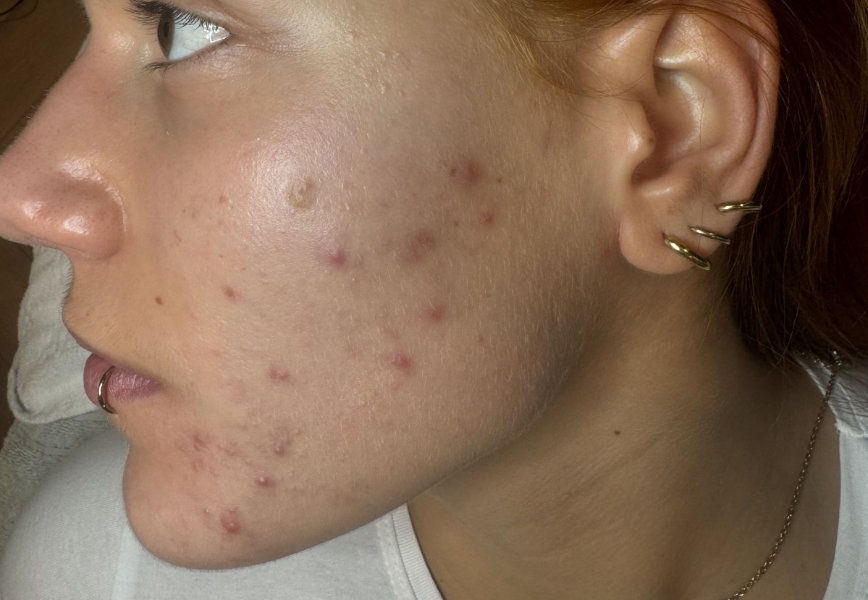
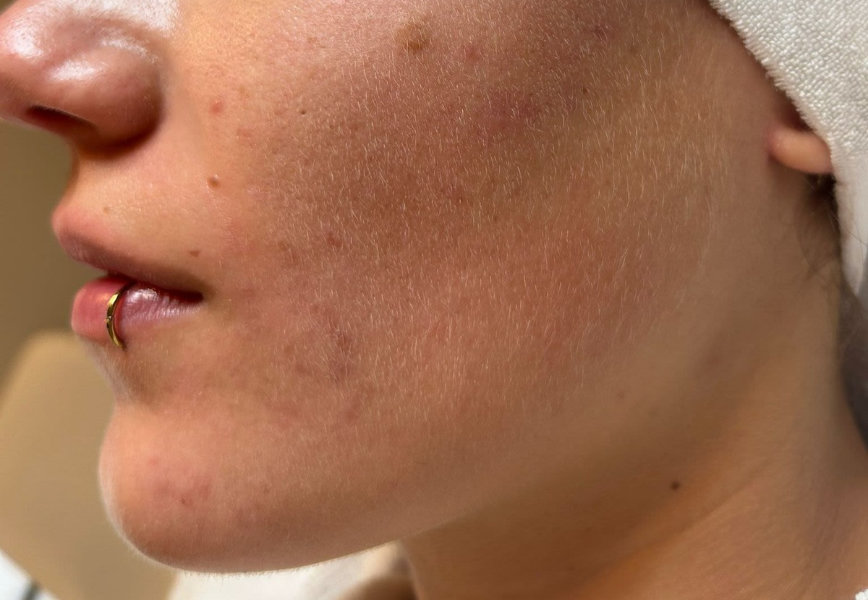
Before and after treatment
Precaution
Aftercare
Stop using active skin products
- Avoid using active ingredients such as retinol, vitamin C, AHA/BHAs at least 3 days before treatment.
Avoid sunbathing and tanning beds
- No sunbathing or tanning bed use in the period prior to treatment to avoid irritation and pigmentation problems.
- Keep the treated area clean and touch as little as possible to avoid irritation and infection.
- Ideally, do not apply makeup to the skin for the first 24 hours.
- For 24 hours after treatment, avoid sunlight, sauna, hot showers, intense exercise and tanning beds to give the skin a chance to recover properly.
Frequently asked questions about Peelings
How many treatments do I need?
For visible results, a course of 3 to 6 treatments is usually advised, with 2 to 4 weeks between each session. This varies by skin type and goal.
Can I wear makeup immediately after a peel?
It is recommended to wait at least 24 hours before applying makeup to allow the skin to recover. Always use an SPF 30 or higher after treatment.
Are there any risks or side effects?
Provided properly performed, peels are safe. Temporary redness, slight swelling or flaking are normal. More reaction may occur in sensitive skin. Avoid sun and harsh products until the skin has recovered.
Who is a peel not suitable for?
Peelings are not recommended for:
- Active skin conditions such as eczema or rosacea,
- Pregnant women depending on the type of exfoliation,
- Use of certain medications (such as isotretinoin).
During the consultation, we assess whether a peel is safe for you.


