
(Over)hairiness
Home " Skin Problems " (Over)hair
Excessive hair has both physical and emotional effects, not only for women, but also for men. Normal hair can be easily treated by shaving, waxing and tweezing, but in the case of the various conditions that cause excessive hair growth, this seems an impossible task. In addition, the solutions are temporary and self hair removal often causes more problems, such as ingrown hairs, bumps or skin irritation.
What is excess hair?
We speak of excessive hair growth when thick hairs grow in places where normally only thin hairs grow. The cause of this condition in women is often excess or increased sensitivity to the male sex hormone: androgens. In men, this is more likely to be genetic; in fact, genes determine whether a man is more sensitive to testosterone, which stimulates hair growth in men. We distinguish two types of excessive hair growth: hypertrichosis and hirsutism.
Hypertrichosis
Hypertrichosis is the increase of hair in any area of the body, without any pattern. This form of excessive hair growth occurs in both men and women and depends on age, ancestry and genes.
Hirsutism
Hirsutism occurs only in women; we speak of it when the hair grows according to the male hair pattern. Hirsutism can occur when the body is hypersensitive to male hormones, when the body produces more male hormones, as well as due to various medications containing the hormone androgen.

Other forms of excessive hair in women
Hormonal imbalance is a common cause of excessive hair growth in women. It can be caused by various medications, as well as polycystic ovarian syndrome (PCOS).
PCOS and excessive hair growth
PCOS is a condition that causes the female body to produce excess testosterone, among other things. This is due to the cysts that form in the ovaries. As a result, women experience hirsutism in addition to other symptoms such as acne.
Treatments against excessive hair growth
In addition to temporary solutions such as shaving, waxing, depilatory creams and epilation, we can also offer you a long-term solution.
Laser hair removal
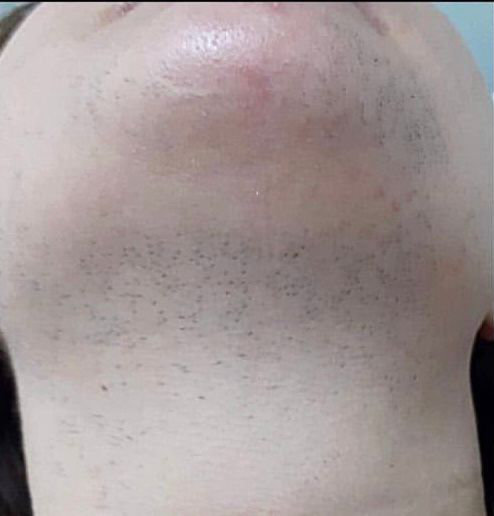
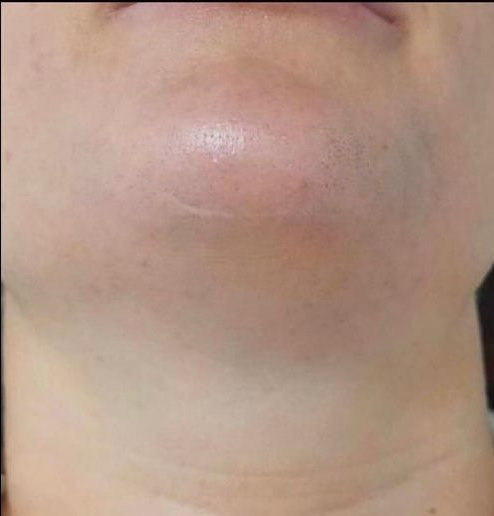
Laser hair removal is a technique in which we use a laser to target the source of the problem and destroy the hair follicles. The powerful beam of light is absorbed by the pigment of the hair, so the hair follicle will disappear.
Results
Reimbursements for treatments
Our clinic is affiliated with the Dutch Association of Skin Therapists and has the Quality Mark for Paramedics. Treatments are performed by AGB-registered skin therapists at all times.
We are also affiliated with all insurance companies. If you have supplementary insurance, many of our treatments are often reimbursed by your health insurance company. The amount of reimbursement varies per insurer; you can request this information from your health insurance company.
Frequently asked questions about (over)hair
What can you do yourself against excessive hair?
When you try to get rid of excessive hair yourself, you often end up shaving, waxing, tweezing or depilatory cream. The results of this solution are often short-lived.
What does excessive hair look like?
Generally, you can recognize excess hair by thick, black-brown hairs on various parts of the body. However, excess hair can grow in all colors.
How do I get rid of excessive hair?
A permanent solution for excessive hair is laser hair removal treatment. After an average of 8 treatments, the hairs remain permanently gone.


